FEATURES
managing yourself
Happiness Traps
Annie McKee | page 086

Numerous studies show that close totwo-thirds of U.S. employees are bored, detached, or jaded and ready tosabotage plans, projects, and other people. Why so much unhappiness amongprofessionals who have the capacity to shape their work lives? The authorhighlights three of the most common reasons—ambition, doing what’s expected ofus, and overwork—which seem productive on the surface but are harmful whentaken to the extreme.
To break free of these “happiness traps,”you first have to accept that you deserve happiness at work. Then you can useyour emotional intelligence—particularly emotional self-awareness, emotionalself-control, and organizational awareness—to understand which trap hasensnared you. Finally, you must actively seek meaning and purpose in day-to-dayactivities, foster hope in yourself and others, and build friendships at work.
HBR Reprint R1705C
FEATURES
nonprofit management
Audacious Philanthropy
Susan Wolf Ditkoff and Abe Grindle| page 122
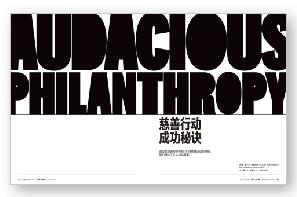
Private philanthropists have helped propelsome of the most important social-impact success stories of the past century:Virtually eradicating polio globally. Ending apartheid in South Africa.Creating a universal 911 service in the United States. These efforts havetransformed or saved hundreds of millions of lives. That we take them forgranted now makes them no less astonishing: They were the inconceivable moonshots of their day before they were inevitable success stories in retrospect.
Today’s donors aspire to similarlyaudacious outcomes, but despite having written big checks for years, manyaren’t seeing transformative results. A study of 15 breakthrough initiatives,ranging from broad access to end-of-life hospice care to the widespread use ofa lifesaving oral rehydration solution in Bangladesh, revealed five sharedelements that may help philanthropists improve the odds of swing-for-the-fencessuccess.
Effective initiatives: Build a sharedunderstanding of the problem and its ecosystem; set concrete and compelling“winnable milestones”; design approaches that work at massive scale; drivedemand; and embrace course corrections.
HBR Reprint R1705J
How I Did It
entrepreneurship
Souq.com’s CEO on Building an E‑Commerce Powerhouse in the Middle East
Ronaldo Mouchawar |page 038
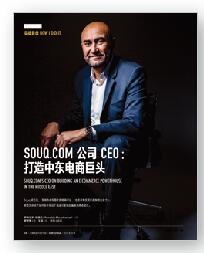
In 2005, when Souq.com was founded, theMiddle East had tremendous potential for e‑commerce:Its total population was more than 350 million, half ofwhom were younger than 25. But the region was highly fragmented in terms oflaws and customs, logistics, and payment infrastructure. Mouchawar tells howSouq grew from auction website to B2C-only business by enabling alternativepayment methods and managing delivery in a region where basic logistics systemswere still evolving.
The largest e‑commerce provider in the Middle East today, Souq operates in sevencountries representing more than
135 million people—and it was recentlyacquired by Amazon.
HBR Reprint R1705A